Trusted General Contractor: Creating Dreams Into Life
A trusted general contractor is instrumental in converting architectural visions into physical structures. Through handling timelines and budgets, they ensure projects proceed without issues. Their expertise fosters a collaborative environment, important for lessening risks. Nonetheless, not all contractors are created equal. Knowing how to determine the right one is crucial for any successful project. What vital qualities should one seek, and how can they shape the overall outcome?
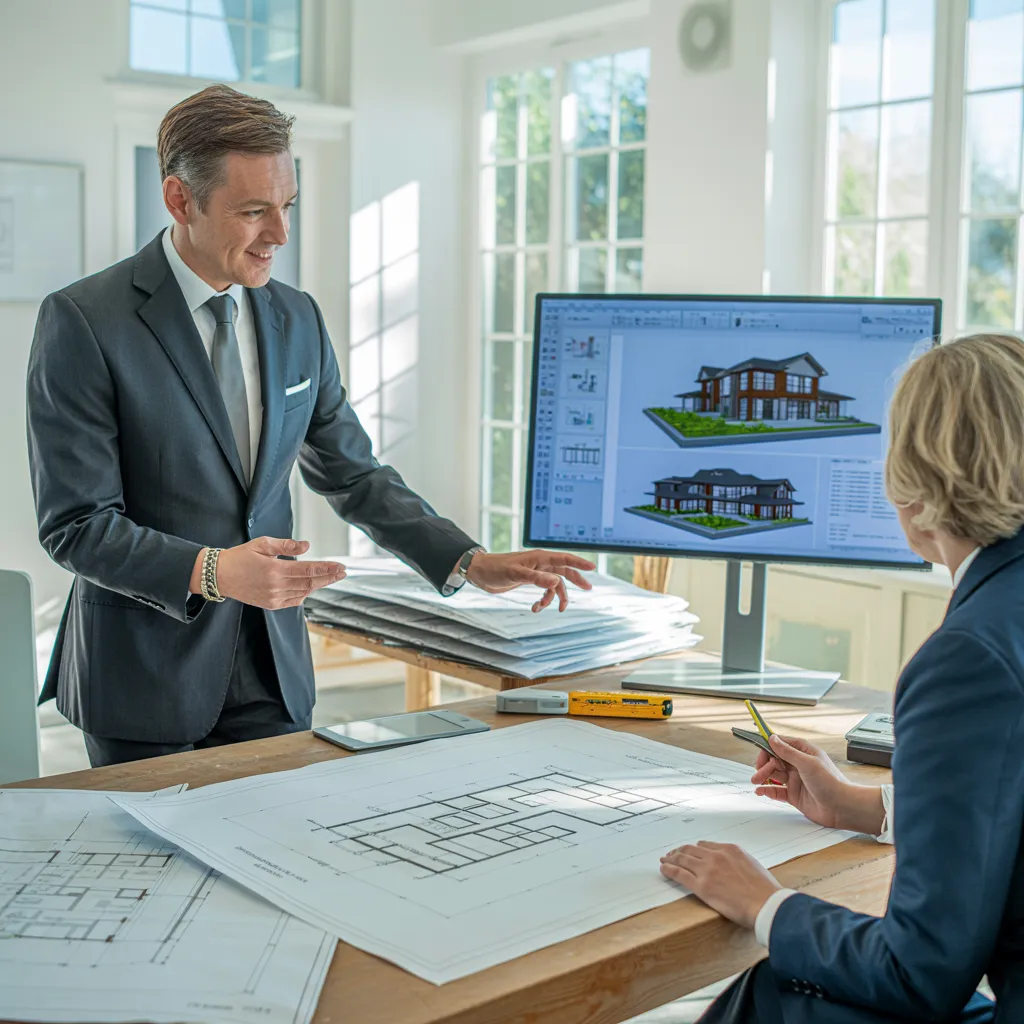
How to Identify a Reliable General Contractor?
How can one assess the reliability of a general contractor? Reviewing a contractor's reputation is crucial. One practical method is to request referrals from friends, family, or online reviews, which provide details into past performance and client satisfaction. Moreover, checking licenses and insurance coverage ensures that the contractor complies with industry standards and protects against foreseeable issues. Examining earlier assignments, either through project portfolios or site visits, allows you to gauge the quality of their craftsmanship.
Furthermore, collecting multiple estimates facilitates evaluation of costs and construction schedules, bringing to light any inconsistencies that may indicate untrustworthiness. Effective correspondence is also vital factor; a trustworthy contractor should be responsive and straightforward in their dealings. Finally, verifying testimonials can provide beneficial insights about a contractor's work ethic and reliability. By adopting these approaches, one can reach informed decisions when appointing a general contractor for construction undertakings.
Key Attributes of an Exceptional General Contractor
An outstanding building professional exemplifies core attributes that establish successful project outcomes. Robust interpersonal expertise facilitate straightforward communication with clients, subcontractors, and suppliers, while demonstrated expertise in project coordination assures timely and budget-conscious delivery. These attributes are indispensable in manifesting dreams into substance.
Powerful Verbal Strengths
While effective project management is crucial for a general contractor, excellent communication proficiency often serve as the base for successful collaborations. These abilities facilitate a contractor to express project objectives with clarity, making certain that all team members and stakeholders are unified. Clear communication fosters trust, allowing for transparent discussions about timelines, budgets, and changes. A good general contractor actively listens clients, subcontractors, and suppliers, resolving issues promptly and adapting to feedback. This two-way dialogue not only enhances problem-solving but also cultivates a positive working environment. Additionally, clear communication prevents misunderstandings, which can lead to costly delays or errors. Ultimately, excellent communication proficiency empower a general contractor to navigate challenges with efficiency, making certain that projects progress smoothly from inception to completion.
Proven Project Management Experience
Demonstrating established project management experience is vital for any general contractor seeking for success. Effective project management requires careful planning, resource allocation, and timeline adherence. A seasoned contractor demonstrates an ability to coordinate various teams, ensuring that architects, engineers, and subcontractors work together seamlessly. Furthermore, they adeptly navigate challenges, employing problem-solving skills to keep projects on track and within budget. Their experience allows them to predict potential issues, mitigating risks before they escalate. Additionally, strong project management fosters transparency, enabling clients to stay informed throughout the construction process. By prioritizing quality control and following safety standards, a general contractor with proven experience not only delivers exceptional results but also builds lasting relationships grounded in trust and reliability.
The Perks of Working with a Trustworthy General Contractor
Contracting with a reliable general contractor delivers significant advantages in any building project. Their proficiency and background guarantee that tasks are accomplished to superior standards, while also enhancing operational efficiency and budget control. This partnership allows homeowners and businesses to focus on their vision without the pressure of administrative oversight.
Skills And Experience
Bringing on a experienced general contractor provides a vast amount of expertise and practical experience to any construction assignment. Their comprehensive familiarity with building codes, regulations, and industry standards confirms that every aspect of the construction workflow is compliant and well-managed. Expert contractors have developed their skills through countless projects, allowing them to identify potential problems and implement effective solutions. Their solid partnerships with subcontractors and suppliers also boost the quality of both work and materials. Furthermore, a trusted general contractor shows strong project management skills, overseeing timelines, budgets, and resources seamlessly. This expertise not only lowers risks but also builds a collaborative atmosphere, converting a client’s vision into a real reality while upholding high standards throughout the entire construction journey.
Schedule and Cost Efficiency
A dependable general contractor significantly improves time and cost efficiency in construction projects. They oversee different subcontractors and suppliers to streamline workflows, reduce delays, and make sure tasks are finished on time. Because of established industry relationships, they often secure better pricing on materials and labor, cutting down total project costs. access resource In addition, a competent contractor preemptively spots potential problems, allowing for quick solutions that avert costly setbacks. With their project management expertise, they ensure effective resource allocation so that labor and materials are utilized efficiently. In the end, employing a trustworthy general contractor speeds up project timelines while protecting the budget, giving clients peace of mind and assurance in their investment.
Simplifying Your Venture With a General Contractor
Effective project management often depends on the expertise of a general contractor. By acting as the central coordinator in the construction process, a general contractor administers various elements of the project, ensuring seamless communication among subcontractors, suppliers, and clients. This connected approach reduces delays and lowers the possibility of miscommunication, which can lead to costly errors.
A general contractor streamlines the workflow by establishing clear schedules and frameworks, allowing all stakeholders to stay connected to project deliverables. They also hold the insight to anticipate complications, driving proactive problem-solving. Likewise, they manage permits and inspections, diminishing the burden on consumers and ensuring compliance with local ordinances.
Ultimately, the involvement of a skilled general contractor transforms intricate undertakings into controllable responsibilities, allowing homeowners and developers to concentrate on their vision while experiencing peace of mind throughout the construction process. This partnership fosters a more streamlined and successful project outcome.
Top 5 Issues to Stay Away From When Contracting With a Contractor
How can homeowners ensure they opt for the right contractor for their project? Steering clear of common pitfalls is crucial. First, homeowners should avoid choosing a contractor solely based on the lowest bid. Quality often comes at a price, and a low estimate may indicate inadequate experience or hidden costs. Second, neglecting to check references can lead to selecting someone questionable or unreliable. Third, neglecting to confirm licenses and insurance can expose homeowners to legal and financial liabilities. Fourth, not discussing project timelines in detail may result in unexpected delays and frustrations. Ultimately, homeowners often overlook the importance of clear dialogue. A contractor who doesn't listen to concerns or provide updates can generate misunderstandings. By steering clear of these mistakes, homeowners can enhance their chances of selecting a contractor who will effectively bring their vision to life.
Important Queries to Ask Prior to Finalizing a Deal?
What core topics should property buyers contemplate before signing a document with a contractor? First and foremost, they should investigate the tradesperson's registration and insurance status. Verified credentials protect homeowners from potential claims. Next in line, requesting references and looking over past projects can render insight into the tradesperson's track record and standard of work. Homeowners should also touch on timelines—learning the projected start and completion dates is critical for planning.
Additionally, clarifying payment terms is significant; homeowners must know the deposit required and the sequence for ensuing payments. Moreover, homeowners should probe what will come about if unexpected issues develop during the project, embracing order changes and how they will be processed. Finally, understanding warranty terms on both construction quality and components can furnish peace of mind. By examining these questions, homeowners can make informed decisions and establish a solid foundation for their project.
Establishing a Solid Relationship With Your General Contractor
Developing a strong rapport with a general contractor can notably improve the overall outcome of a home construction or renovation project. Effective communication is the essential element of this relationship, fostering trust and transparency. Homeowners should make a priority of open dialogue, discussing requirements, timelines, and budget constraints early in the process.
Frequent communications and updates can help address issues promptly, ensuring that both parties remain in sync throughout the project. Additionally, showing recognition for the contractor's expertise can build mutual respect and promote a collaborative atmosphere.
Being adaptable is also essential; understanding that obstacles may occur can pave the way for finding solutions and adaptation. A positive relationship can lead to superior work, as contractors are more inclined to invest additional time when they feel valued. In the end, a lasting partnership with a general contractor not only contributes to a thriving venture but can also create possibilities for future collaborations.
Common Questions Posed Frequently
What Approach Do General Contractors Use for Unexpected Project Changes?
General contractors manage unforeseen modifications by examining circumstances, consulting with relevant parties, revising schedules and cost estimates, and deploying corrective measures. Flexibility and problem-solving skills are necessary in ensuring projects stay on track despite unexpected obstacles.
What Styles of Projects Do General Contractors Normally Administer?
General contractors often administer a selection of projects, including home refurbishment, industrial building, infrastructure development, and bespoke installations. Their knowledge covers coordination, budgeting, and scheduling, guaranteeing project fulfillment within heterogeneous construction disciplines and complexities.
What Is the Process of Payment Plans When Working With a Contractor?
Payment schedules with a general contractor normally comprise upfront deposits, with subsequent progress payments attached to project milestones. Final payments are finalized upon project completion, maintaining both parties keep aligned on fiscal responsibilities throughout the construction process.
Is it feasible for a building contractor to Support With authorizations and legal requirements?
A construction manager can absolutely provide assistance with permits and regulations. They generally navigate regional construction standards, submit necessary documents, and ensure legal compliance, simplifying the process for clients and helping to avoid costly regulatory issues.
What takes place if the undertaking exceeds the starting financial allocation?
If a undertaking exceeds the original cost estimate, the builder usually communicates the causes for the rise. They may propose adjustments, obtain client approval, and explore budget-reducing alternatives to maintain the work on schedule.